MBBS, MS Orthopedic
FIJR, FASM, CPCR
Assistant Professor
(IMS & SUM Hospital)
one stop solution to knee and joint related problems
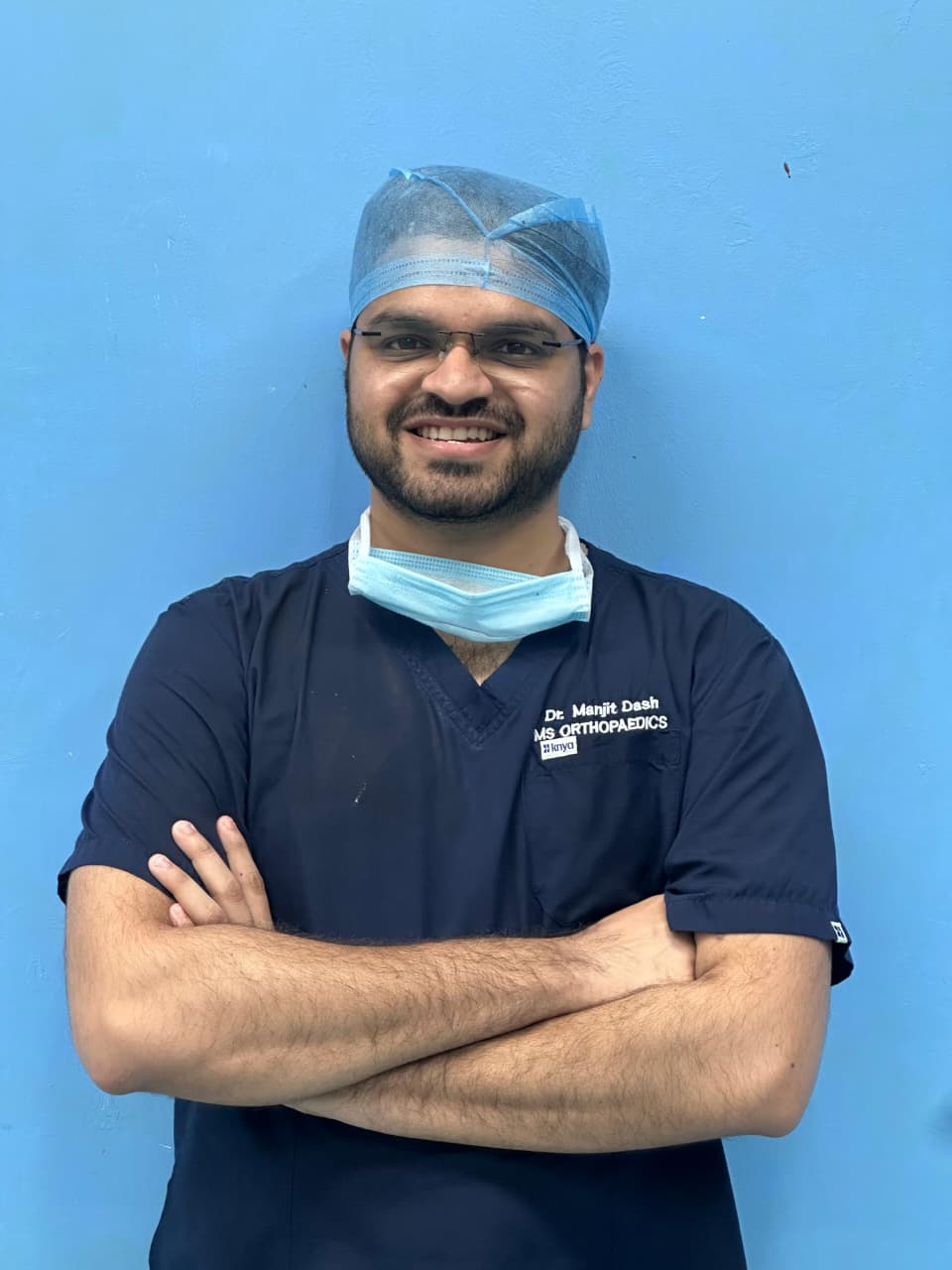
Dr. Manjit Dash is a highly skilled and dedicated Orthopedic Surgeon specializing in joint replacement and advanced orthopedic care. With qualifications including MBBS and MS in Orthopedics, along with prestigious certifications such as FIJR, FASM, and CPCR, he brings extensive expertise in diagnosing and treating a wide range of musculoskeletal conditions.
Currently serving as an Assistant Professor at IMS & SUM Hospital, Dr. Dash combines academic excellence with hands-on clinical experience to provide evidence-based and patient-focused treatment. His approach emphasizes accurate diagnosis, minimally invasive techniques, and personalized care plans to ensure faster recovery and long-term relief.
Dr. Manjit Dash is committed to helping patients regain mobility, reduce pain, and improve their overall quality of life through advanced orthopedic solutions and compassionate care.
Providing advanced orthopedic care with precision, compassion, and the latest in robotic technology.
Robotic Joint Replacement
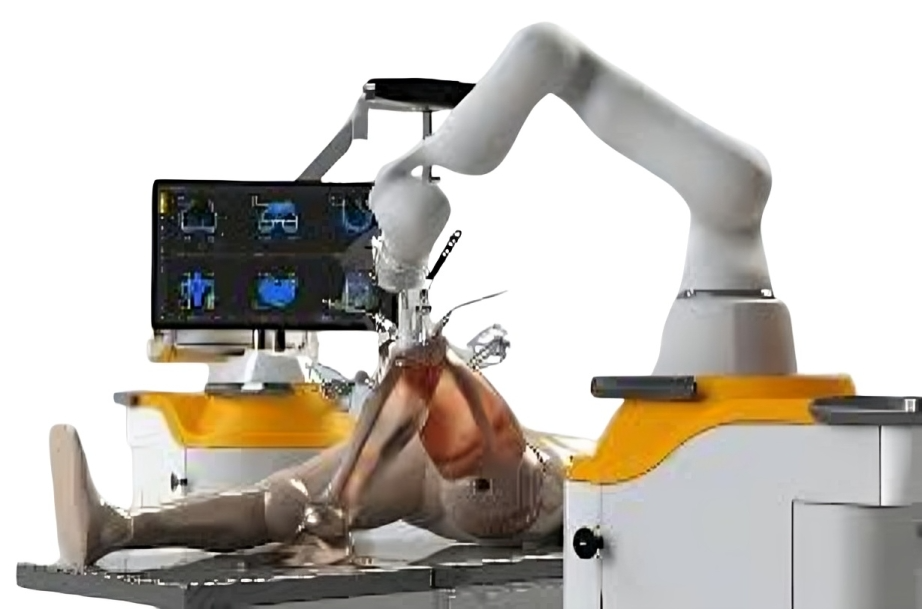
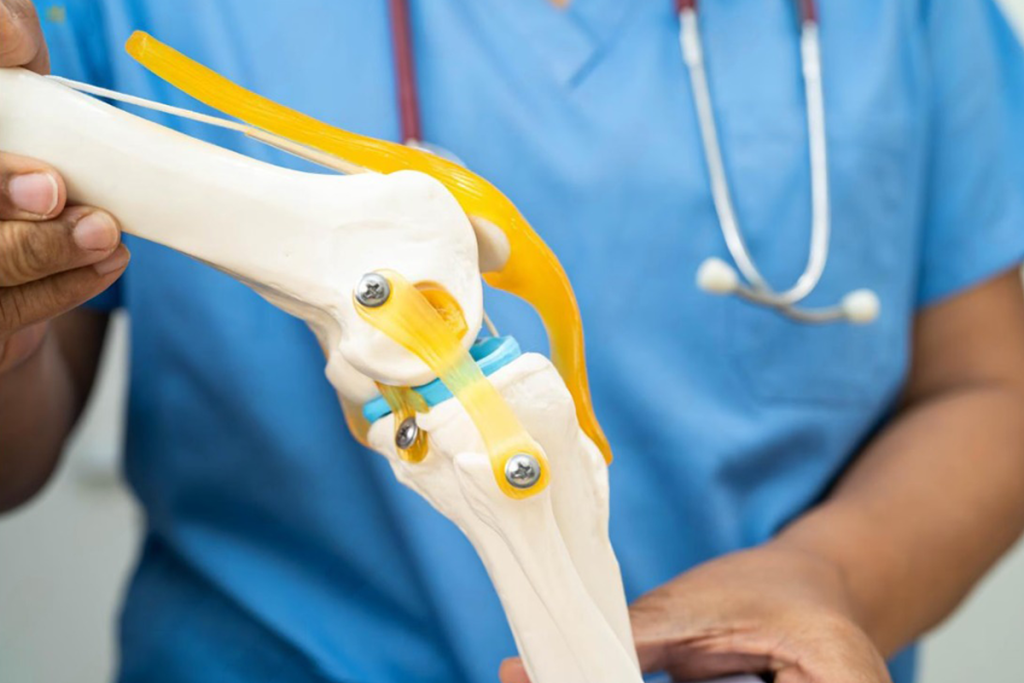
State-of-the-art robotic technology for knee and hip replacement ensures greater precision, minimal pain, and faster recovery.
Sports Injury & Ligament Reconstruction
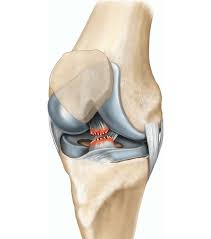
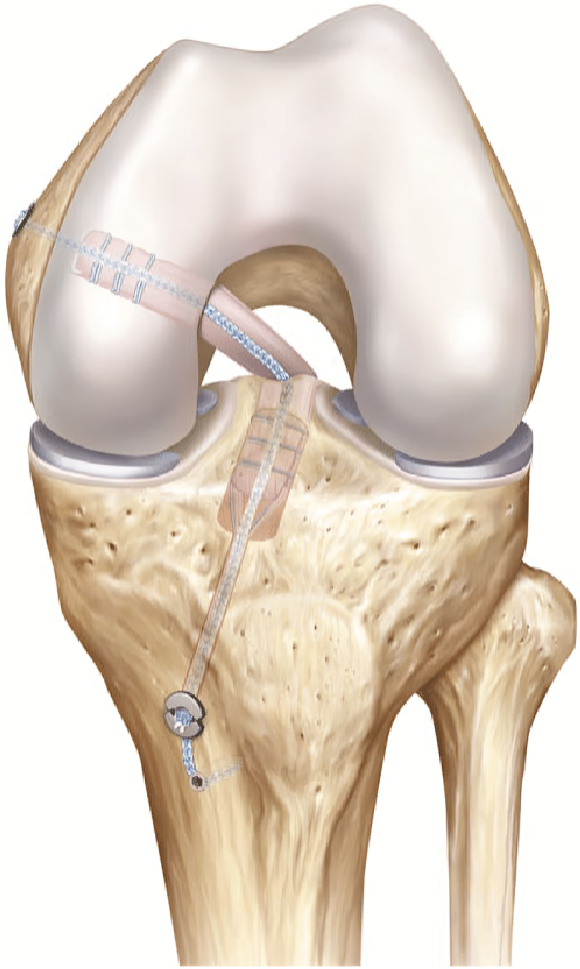
Specialized treatment for ACL, PCL, and meniscal injuries, helping patients regain stability and mobility through minimally invasive procedures.
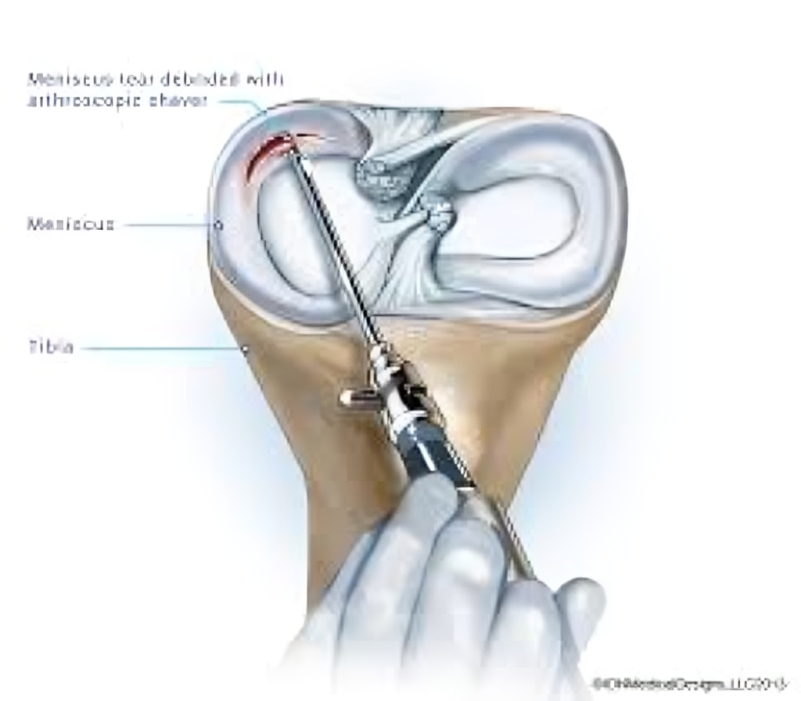
Arthroscopic Surgery
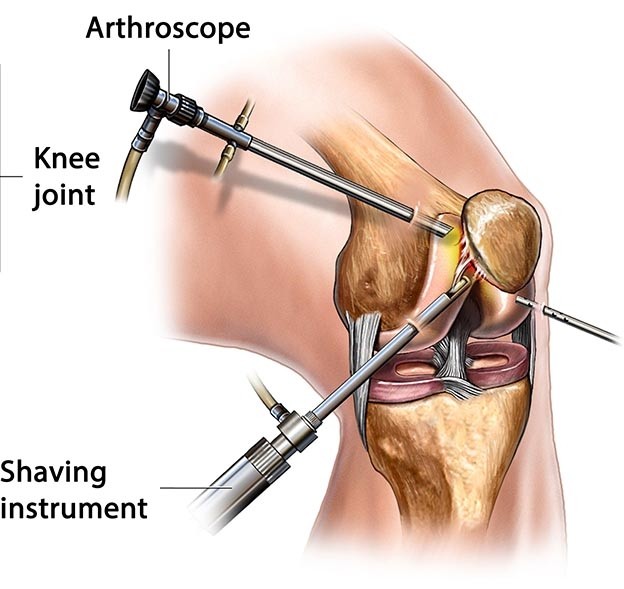
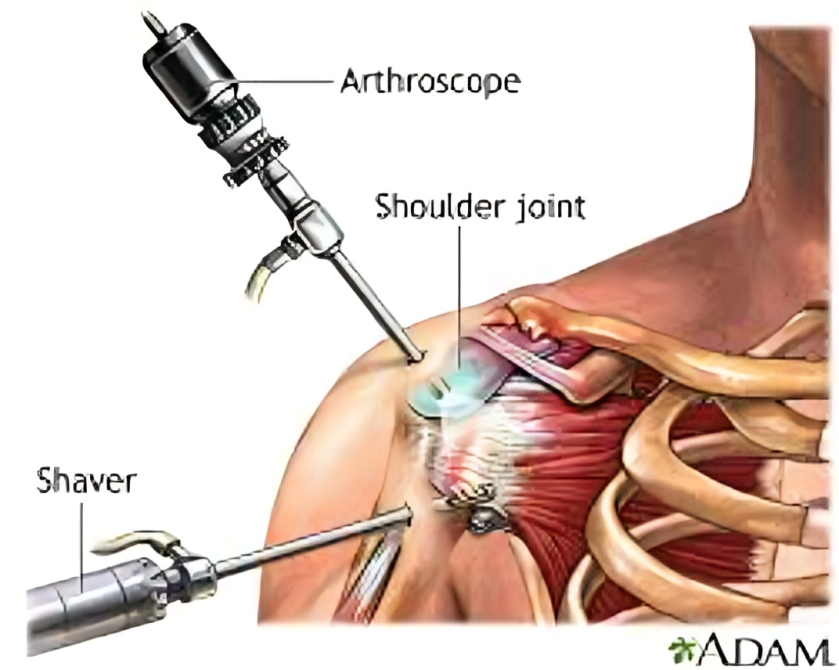
Minimally invasive keyhole surgeries for knee and shoulder to treat joint conditions effectively with faster rehabilitation.
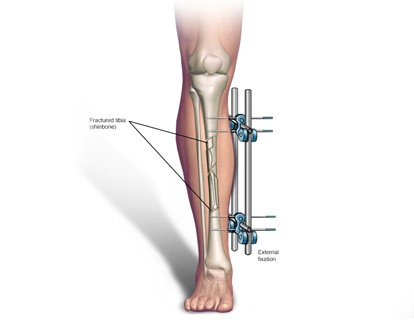
Fracture & Trauma Care
Comprehensive management of complex fractures and orthopedic trauma with customized treatment plans for optimal healing.
Osteoarthritis & Rheumatoid Arthritis Management
Advanced care and joint preservation strategies for managing chronic joint conditions and improving quality of life.
Patients Reviews
             Posted on Google        sipun dehury     Trustindex verifies that the original source of the review is Google. Very Good Doctor
Best Orthopedic Doctor         Posted on Google        Pramila Jena     Trustindex verifies that the original source of the review is Google. My knee pain all gone which was there since 1 year..now I can able to walk pain free         Posted on Google        Amitabh Acharya     Trustindex verifies that the original source of the review is Google. Dr. Manjit Dash did an excellent job performing total knee replacement (TKR) for my relative in Bhubaneswar. His behaviour was very kind and reassuring and the post-op care was outstanding. The surgery went smoothly, and recovery has been very satisfactory. He is highly professional, and took time to explain everything clearly. We are very grateful for his care and would highly recommend him to anyone needing knee replacement surgery.         Posted on Google        Krishanu Khatri     Trustindex verifies that the original source of the review is Google. What started as one of the scariest moments for my family turned into a story of hope—thanks to Dr. Manjit Sir.
After my brother's injury, we were anxious and lost, but his calm words and genuine care made all the difference. He didn’t just treat the fracture—he gave us confidence, comfort, and strength during a very difficult time.
Seeing my brother walk again felt like a miracle, and we owe it to his skill and compassion.
If you’re looking for an orthopaedician in Bhubaneswar, I highly recommend him. Truly a doctor who heals with both hands and heart. 🙏         Posted on Google        BHITI PRAGNYA Sahu     Trustindex verifies that the original source of the review is Google. Good Service 👍🏻         Posted on Google        Deepak kumar Behera     Trustindex verifies that the original source of the review is Google. Best Doctor...
Contact Us
Room No2, Plot No.M/1B, Fire Station Squire Baramunda, Bhubaneswar
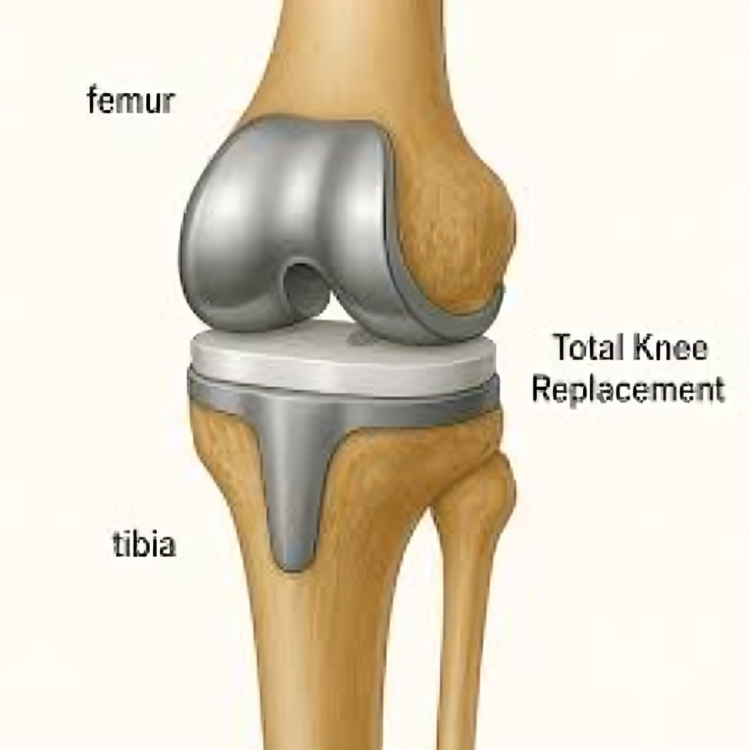
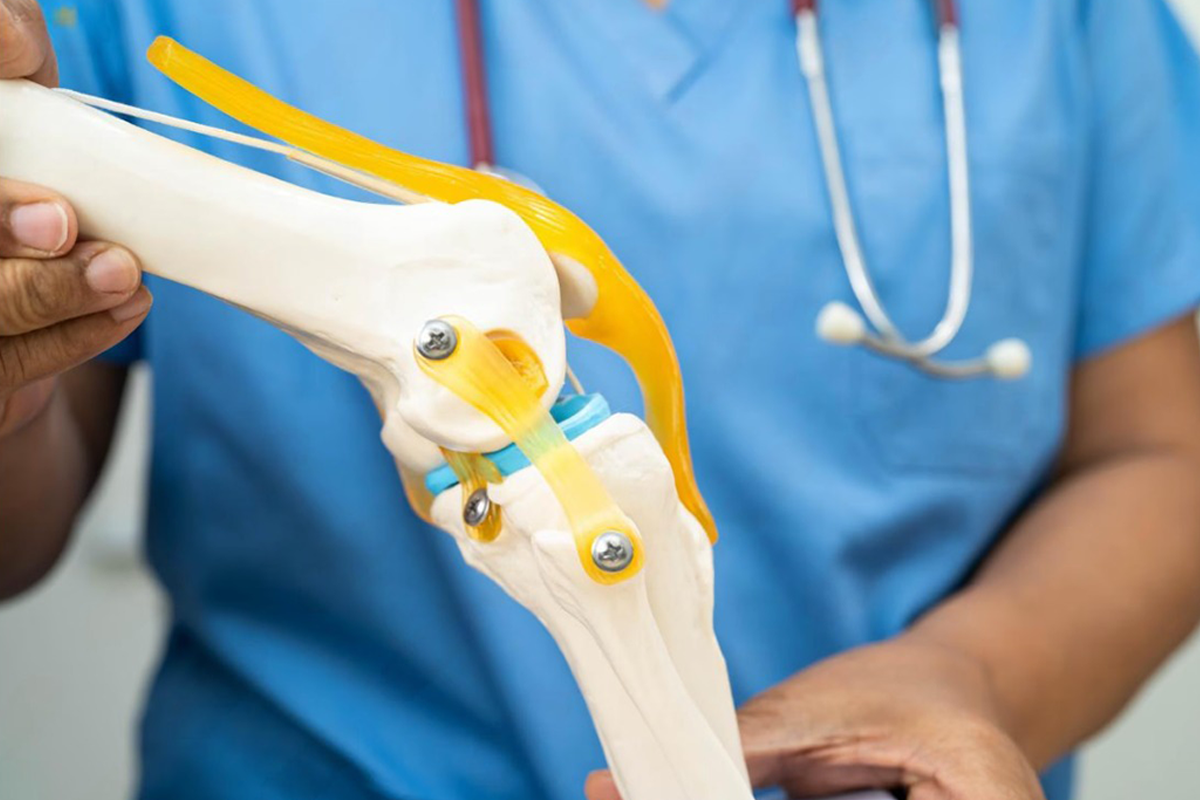
Robotic Total Knee Replacement (TKR) is an advanced surgical technique used to treat severe knee arthritis, deformity, or damage when non-surgical treatments no longer provide relief. It combines the precision of robotic-assisted technology with the expertise of an orthopedic surgeon to ensure accurate implant placement, better alignment, and improved overall outcomes compared to conventional knee replacement surgery.
Benefits of Robotic-Assisted TKR
Higher Accuracy – Ensures optimal alignment and positioning of the implant.
Personalized Planning – Customizes the procedure based on the patient’s knee anatomy.
Less Tissue Damage – Minimally invasive technique leads to reduced soft tissue trauma.
Faster Recovery – Patients often regain mobility quicker compared to traditional TKR.
Better Joint Function – More natural movement and improved long-term outcomes.
Revision Joint Replacement Surgery is a specialized orthopedic procedure performed when a previously replaced joint — such as the knee or hip — fails or develops complications. Unlike the initial (primary) replacement, a revision surgery is more complex because it involves removing the old implant, addressing bone loss or damage, and placing a new prosthesis for better function and stability.
Benefits of Revision Joint Replacement
Restores joint stability and mobility
Relieves chronic pain caused by implant failure
Corrects deformities or alignment issues
Improves overall quality of life
Extends the functional lifespan of the joint
Robotic Total Hip Replacement (THR)
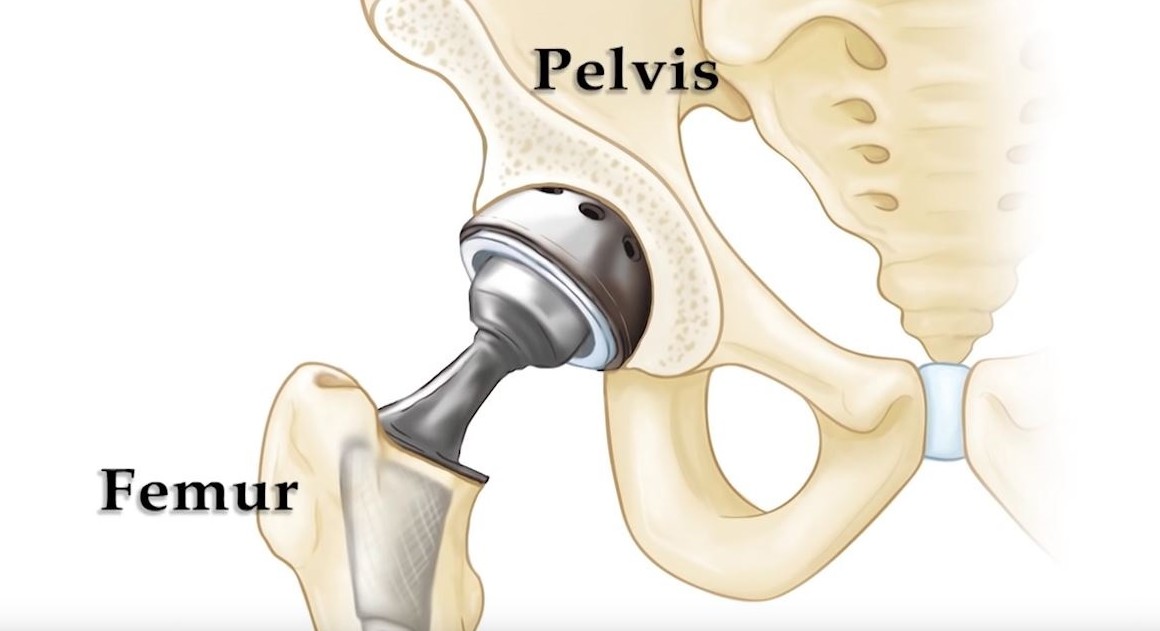
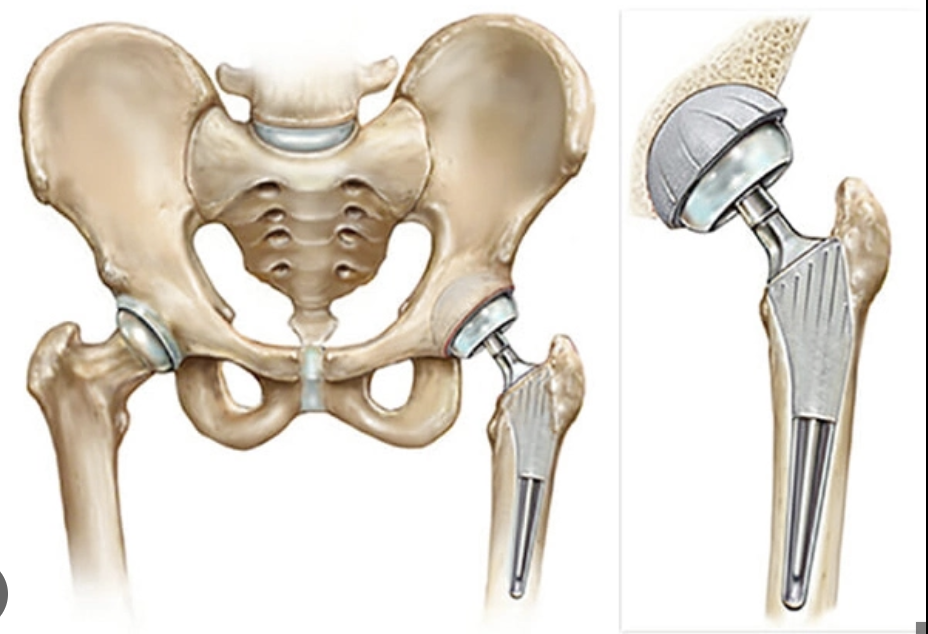
Robotic Total Hip Replacement (THR) is an advanced surgical procedure that combines cutting-edge robotic technology with the expertise of an orthopedic surgeon to replace a damaged or arthritic hip joint with extreme precision. Compared to conventional hip replacement, robotic-assisted THR ensures greater accuracy, better implant positioning, reduced tissue damage, faster recovery, and improved long-term outcomes.
Advantages of Robotic THR
Unmatched Precision – Sub-millimeter accuracy for implant placement.
Personalized Surgical Planning – Customized based on your unique hip anatomy.
Reduced Pain & Blood Loss – Smaller incisions and precise techniques lower post-op discomfort.
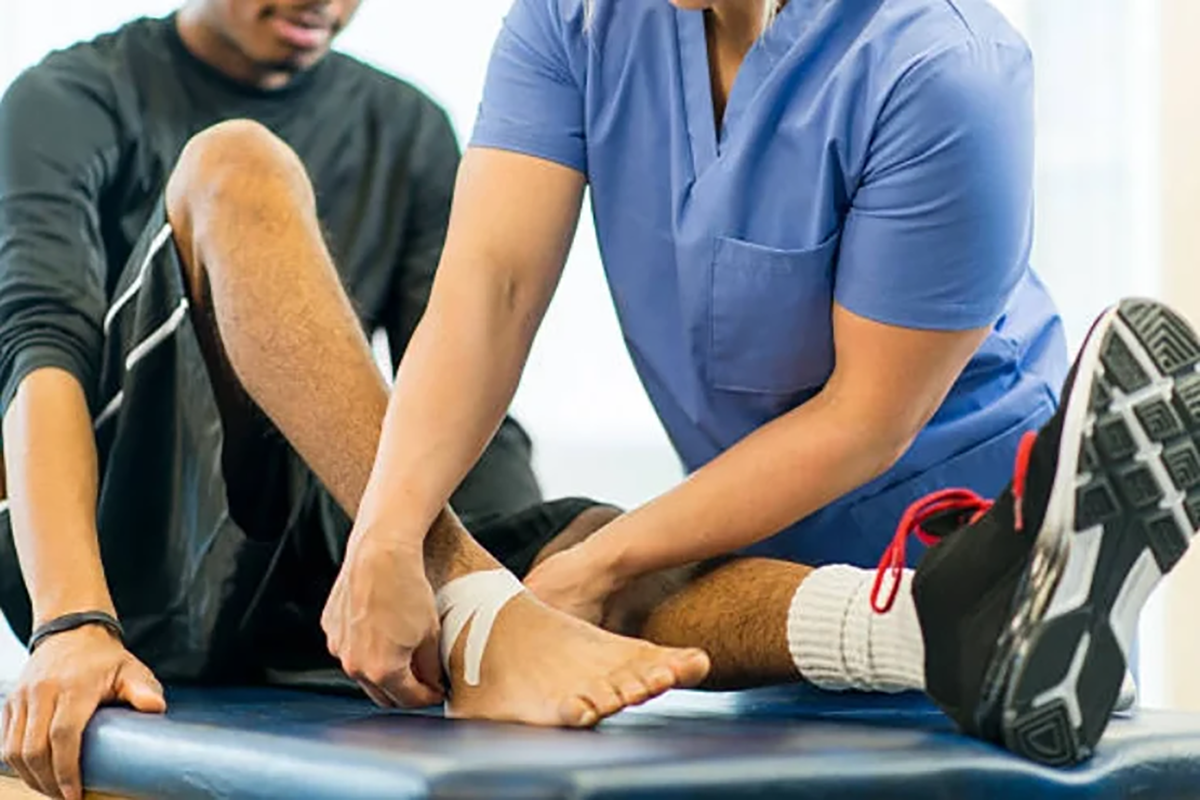
Sports Injury Management
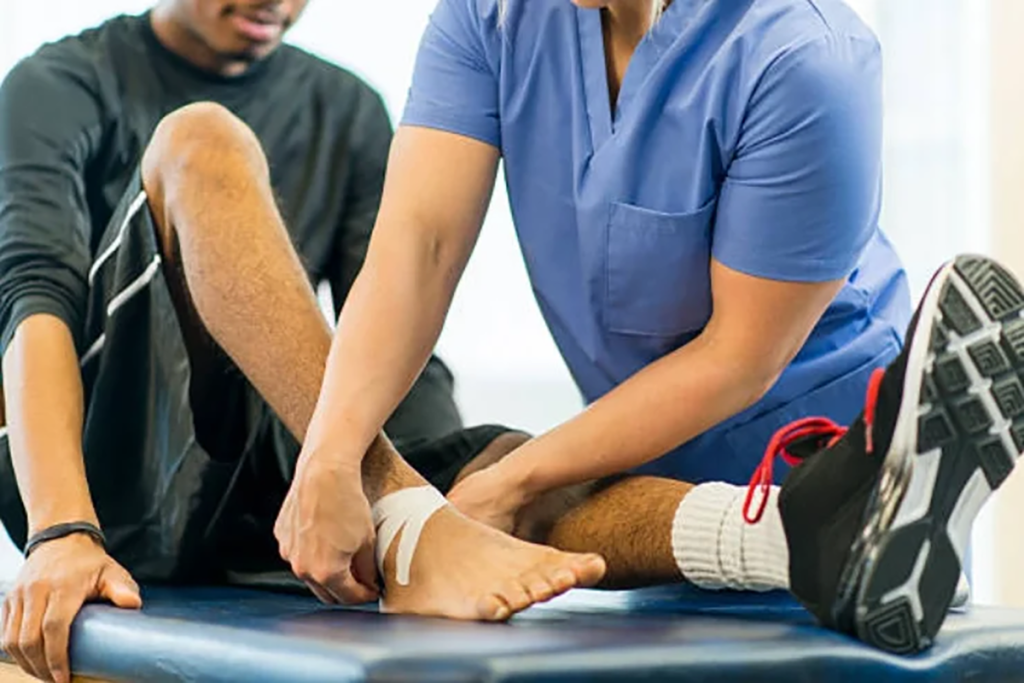
Sports Injury Management focuses on the prevention, diagnosis, treatment, and rehabilitation of injuries sustained during sports or physical activities. It aims to help athletes and active individuals recover quickly, restore function, and return safely to their sport or fitness routine while minimizing the risk of re-injury.
This specialized approach combines advanced medical techniques, physiotherapy, and rehabilitation programs tailored to the type and severity of the inju
Common Types of Sports Injuries
Acute Injuries
Sprains – Ligament tears, common in ankle, knee, and wrist
Strains – Muscle or tendon injuries
Fractures – Bone breaks due to high-impact trauma
Dislocations – Joints forced out of position
Contusions (Bruises) – From direct impact
Chronic / Overuse Injuries
Tendinitis – Inflammation of tendons due to repetitive stress
Stress Fractures – Micro-cracks in bones from overtraining
Runner’s Knee – Knee pain caused by repetitive movement
Shin Splints – Pain along the shinbone due to strain
Arthroscopic Surgery
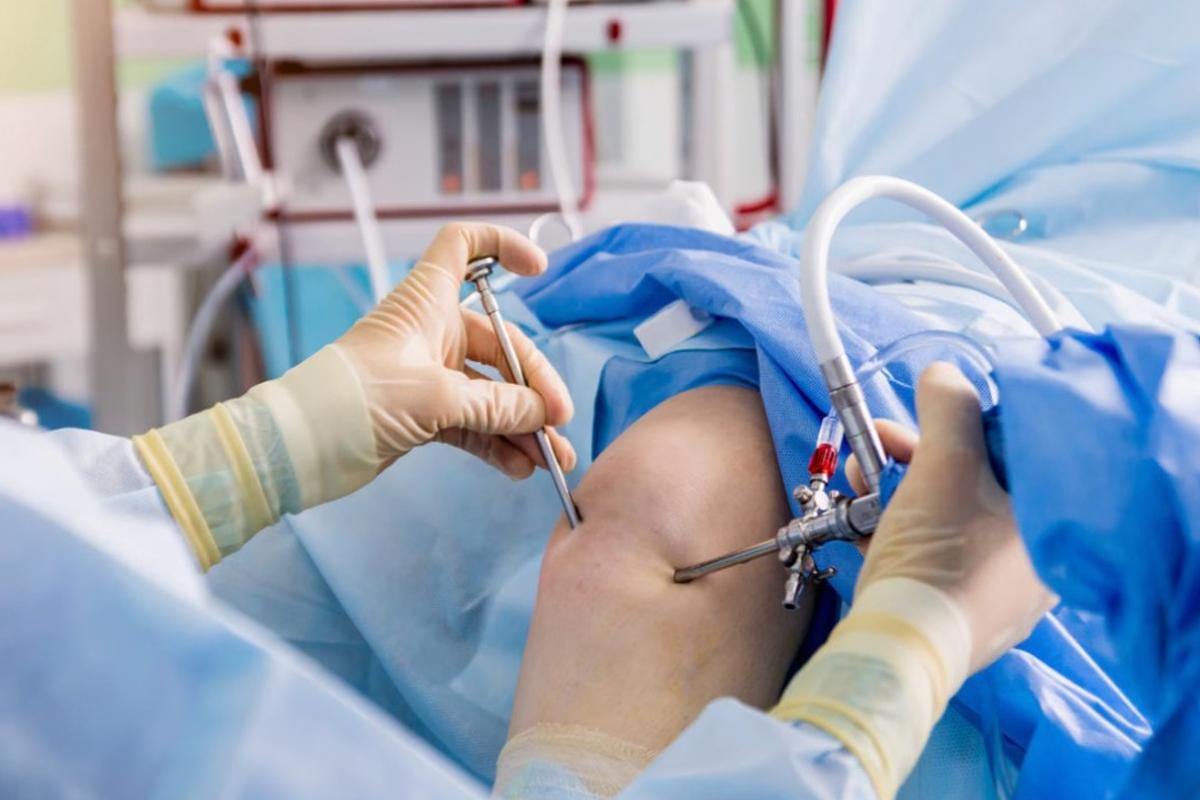
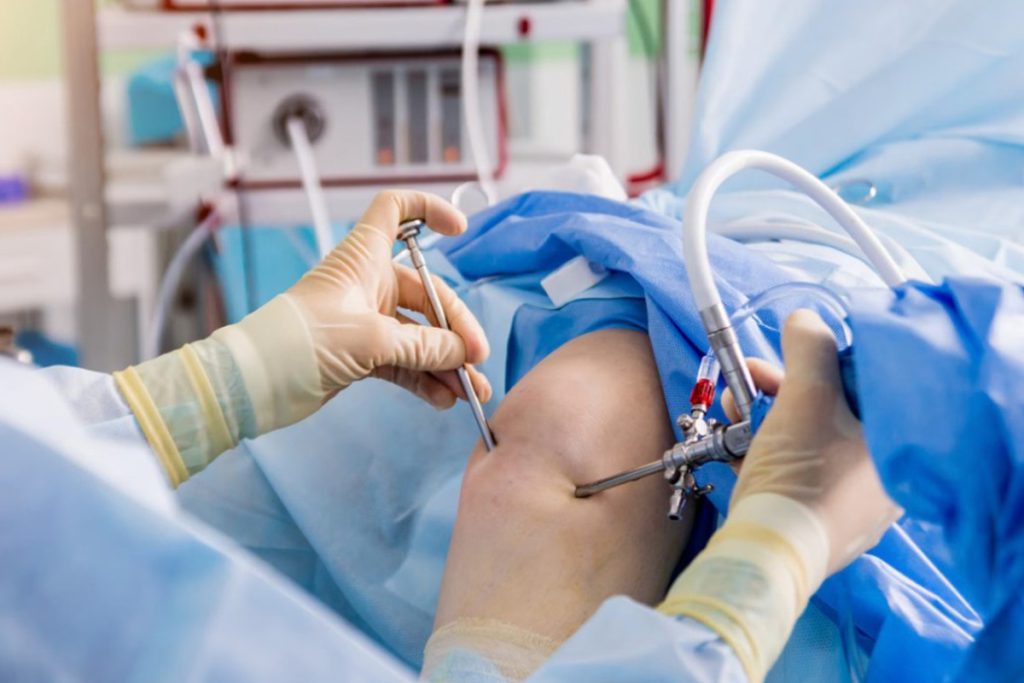
Arthroscopic Surgery is a minimally invasive surgical procedure used to diagnose and treat problems inside a joint. It involves inserting a thin, flexible tube called an arthroscope — equipped with a camera and light — through a small incision to visualize the inside of the joint on a screen. Surgeons can then repair, remove, or reconstruct damaged tissues without making large incisions, leading to faster recovery, less pain, and minimal scarring
Advantages of Arthroscopic Surgery
Minimally Invasive – Smaller incisions, less tissue damage.
Faster Recovery – Patients return to normal activities sooner.
Less Pain & Scarring – Minimal disruption of muscles and tissues.
Day-Care Procedure – Many surgeries are performed on an outpatient basis.
Complex Fractures and Trauma Care
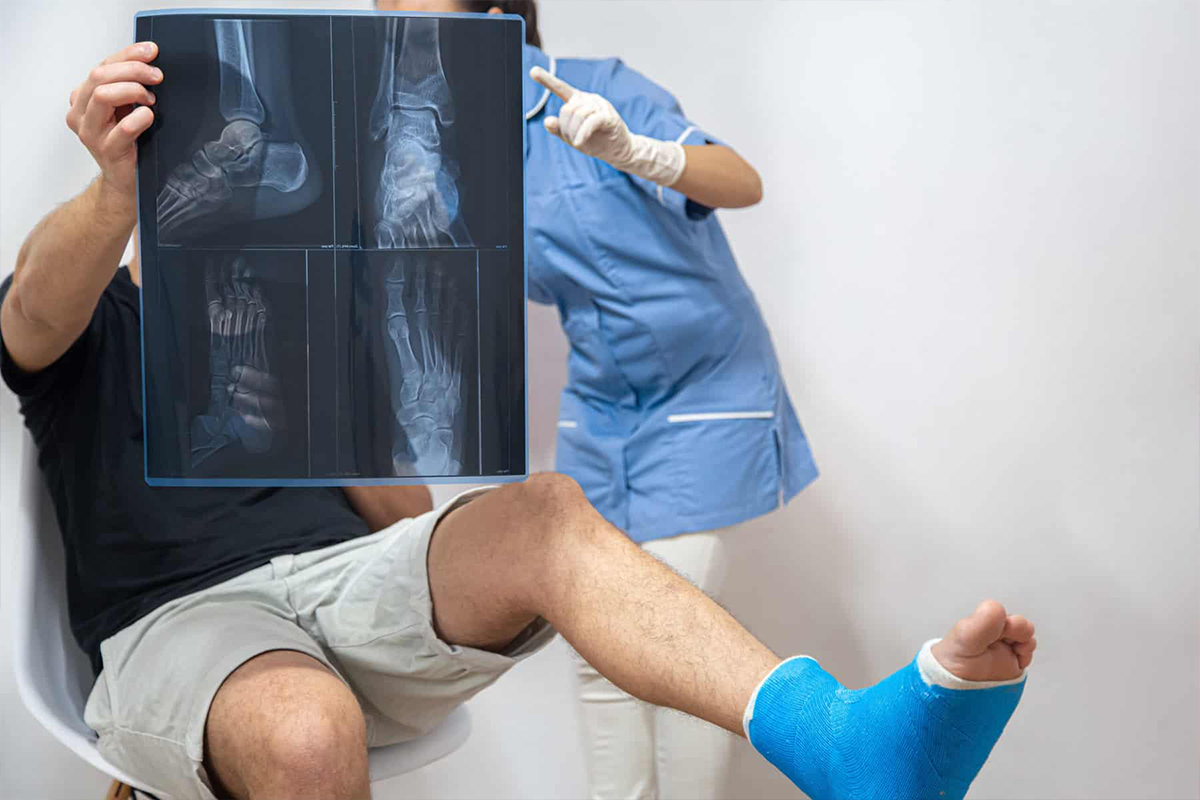
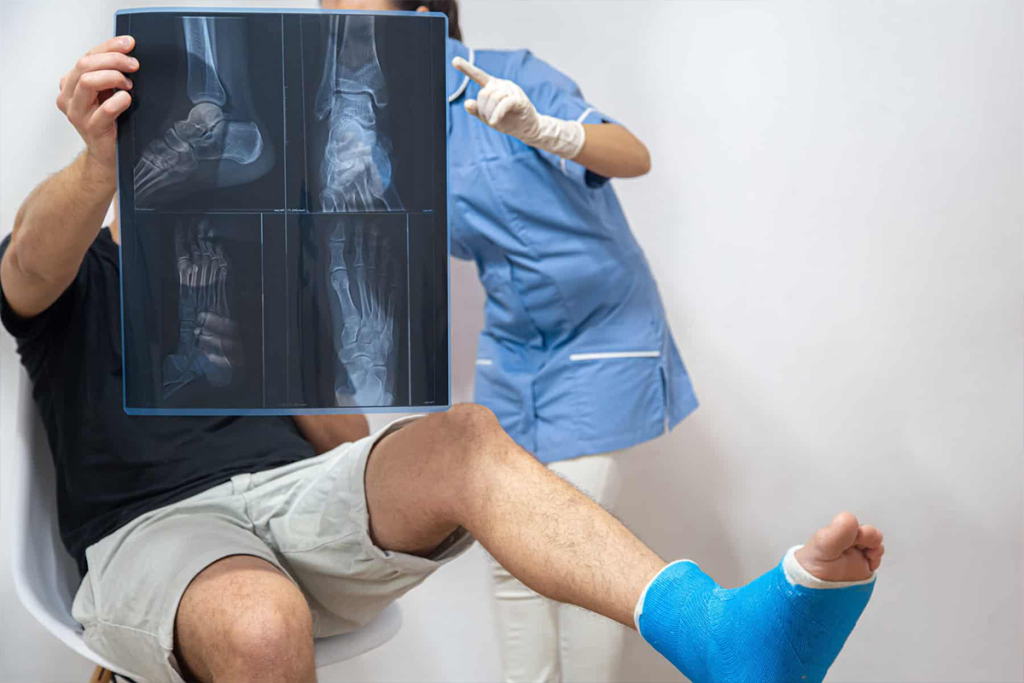
Complex Fractures and Trauma Care involves the diagnosis, surgical management, and rehabilitation of severe bone injuries caused by high-impact accidents, falls, or other traumatic events. Unlike simple fractures, complex fractures often involve multiple bone fragments, joint involvement, surrounding tissue damage, or open wounds, making their management highly challenging.
Effective trauma care requires a multidisciplinary approach involving orthopedic surgeons, trauma specialists, physiotherapists, and rehabilitation experts to ensure optimal recovery and restore mobility.
Types of Complex Fractures
Comminuted Fracture – Bone breaks into multiple fragments
Open (Compound) Fracture – Bone pierces through the skin, increasing infection risk
Segmental Fracture – Bone breaks at two distinct levels
Intra-Articular Fracture – Fracture extends into the joint surface
Pathological Fracture – Caused by underlying conditions like osteoporosis or tumors
Periprosthetic Fracture – Occurs around joint replacement implants
Osteoarthritis and Rheumatoid Arthritis Management
Osteoarthritis (OA) and Rheumatoid Arthritis (RA) Management focuses on the diagnosis, treatment, and rehabilitation of these chronic joint conditions to relieve pain, improve mobility, and enhance quality of life. While both conditions affect the joints, they have different causes and treatment approaches, making early and accurate diagnosis crucial.
Osteoarthritis (OA)
A degenerative joint disease caused by gradual wear and tear of cartilage.
Commonly affects the knees, hips, spine, and hands.
Symptoms:
Joint pain and stiffness (worse after activity)
Reduced flexibility
Bone spurs and swelling
Rheumatoid Arthritis (RA)
An autoimmune disease where the immune system attacks joint linings.
Affects multiple joints symmetrically, including hands, wrists, knees, and ankles.