Welcome to Astra Starter Templates. This is your first post. Edit or delete it, then start blogging!
For Appointment Call : +91 9090071871

For Appointment Call : +91 9090071871
Welcome to Astra Starter Templates. This is your first post. Edit or delete it, then start blogging!
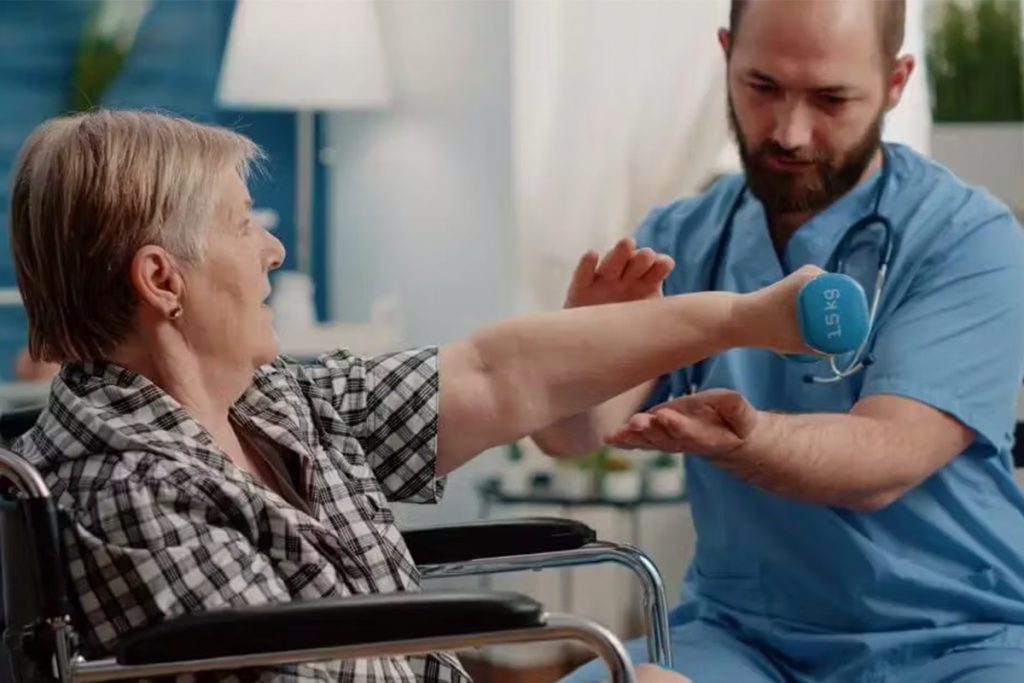
Osteoarthritis (OA) and Rheumatoid Arthritis (RA) Management focuses on the diagnosis, treatment, and rehabilitation of these chronic joint conditions to relieve pain, improve mobility, and enhance quality of life. While both conditions affect the joints, they have different causes and treatment approaches, making early and accurate diagnosis crucial.
A degenerative joint disease caused by gradual wear and tear of cartilage.
Commonly affects the knees, hips, spine, and hands.
Symptoms:
Joint pain and stiffness (worse after activity)
Reduced flexibility
Bone spurs and swelling
An autoimmune disease where the immune system attacks joint linings.
Affects multiple joints symmetrically, including hands, wrists, knees, and ankles.
Symptoms:
Persistent joint pain and swelling
Morning stiffness lasting more than 30 minutes
Fatigue, fever, and overall weakness
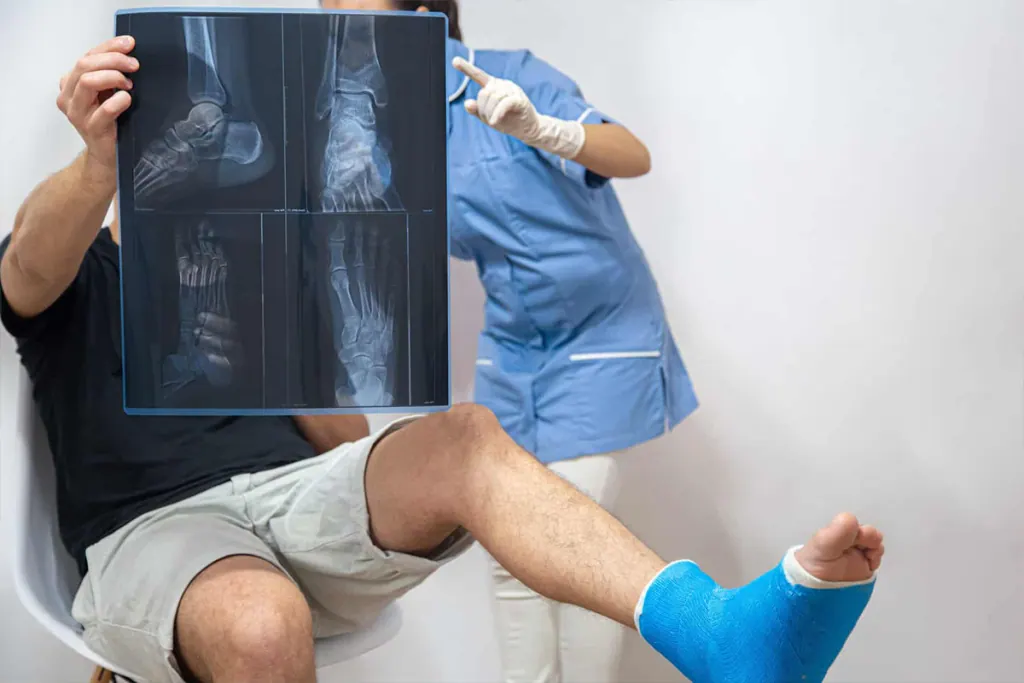
Complex Fractures and Trauma Care involves the diagnosis, surgical management, and rehabilitation of severe bone injuries caused by high-impact accidents, falls, or other traumatic events. Unlike simple fractures, complex fractures often involve multiple bone fragments, joint involvement, surrounding tissue damage, or open wounds, making their management highly challenging.
Effective trauma care requires a multidisciplinary approach involving orthopedic surgeons, trauma specialists, physiotherapists, and rehabilitation experts to ensure optimal recovery and restore mobility.
Comminuted Fracture – Bone breaks into multiple fragments
Open (Compound) Fracture – Bone pierces through the skin, increasing infection risk
Segmental Fracture – Bone breaks at two distinct levels
Intra-Articular Fracture – Fracture extends into the joint surface
Pathological Fracture – Caused by underlying conditions like osteoporosis or tumors
Periprosthetic Fracture – Occurs around joint replacement implants
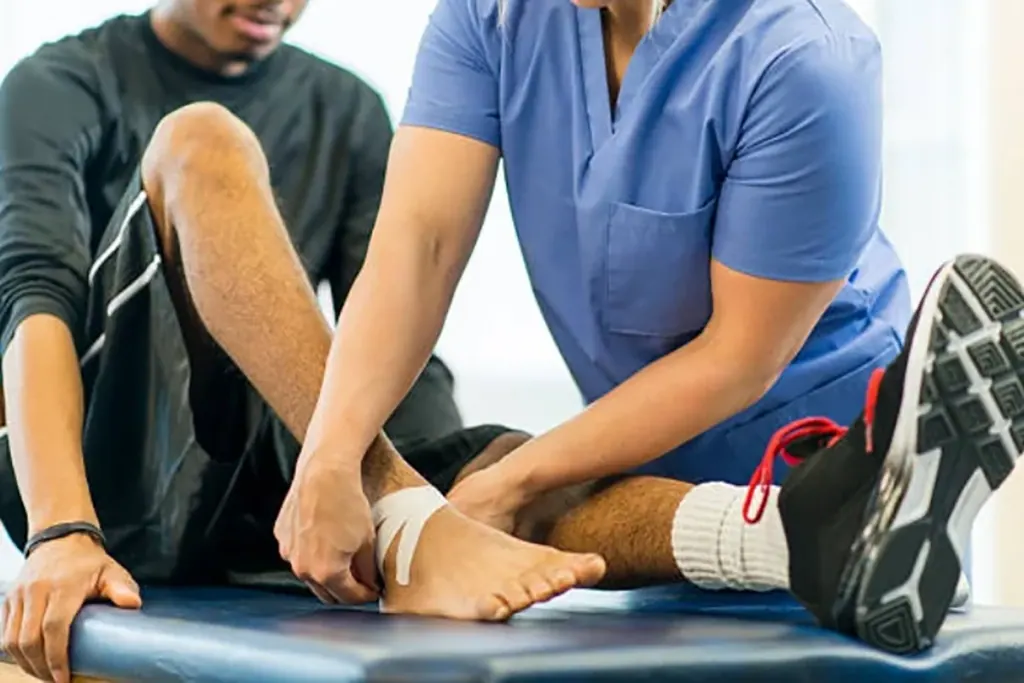
Sports Injury Management focuses on the prevention, diagnosis, treatment, and rehabilitation of injuries sustained during sports or physical activities. It aims to help athletes and active individuals recover quickly, restore function, and return safely to their sport or fitness routine while minimizing the risk of re-injury.
This specialized approach combines advanced medical techniques, physiotherapy, and rehabilitation programs tailored to the type and severity of the inju
Sprains – Ligament tears, common in ankle, knee, and wrist
Strains – Muscle or tendon injuries
Fractures – Bone breaks due to high-impact trauma
Dislocations – Joints forced out of position
Contusions (Bruises) – From direct impact
Tendinitis – Inflammation of tendons due to repetitive stress
Stress Fractures – Micro-cracks in bones from overtraining
Runner’s Knee – Knee pain caused by repetitive movement
Tennis Elbow / Golfer’s Elbow – Tendon damage from repeated motions
Shin Splints – Pain along the shinbone due to strain
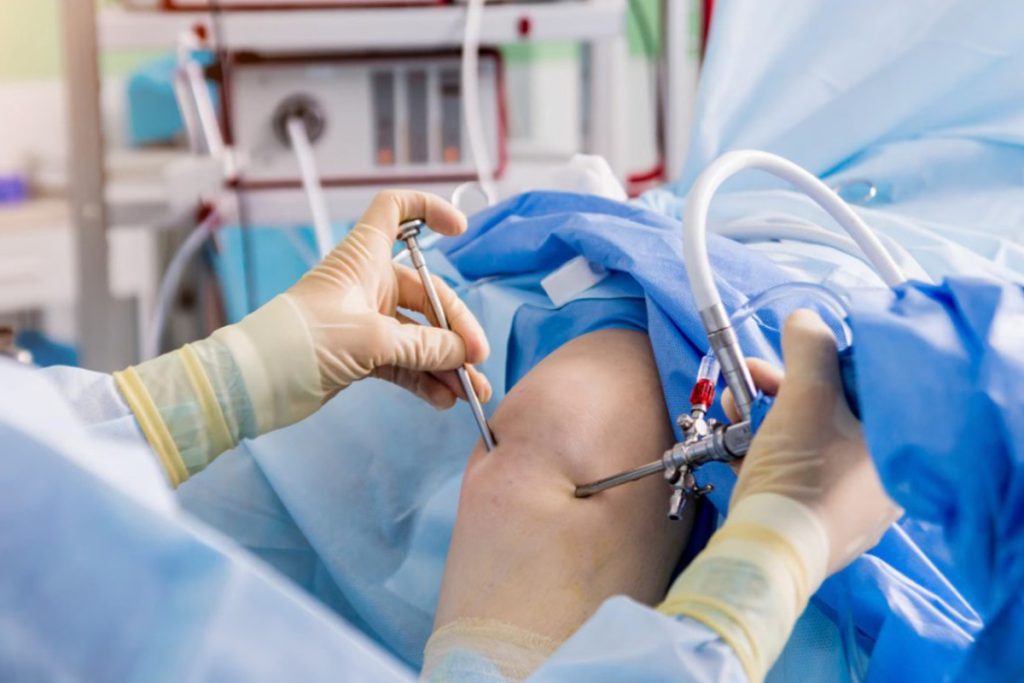
Arthroscopic Surgery is a minimally invasive surgical procedure used to diagnose and treat problems inside a joint. It involves inserting a thin, flexible tube called an arthroscope — equipped with a camera and light — through a small incision to visualize the inside of the joint on a screen. Surgeons can then repair, remove, or reconstruct damaged tissues without making large incisions, leading to faster recovery, less pain, and minimal scarring
Minimally Invasive – Smaller incisions, less tissue damage.
Faster Recovery – Patients return to normal activities sooner.
Less Pain & Scarring – Minimal disruption of muscles and tissues.
Lower Infection Risk – Smaller wounds reduce complications.
Day-Care Procedure – Many surgeries are performed on an outpatient basis.

Robotic Total Hip Replacement (THR) is an advanced surgical procedure that combines cutting-edge robotic technology with the expertise of an orthopedic surgeon to replace a damaged or arthritic hip joint with extreme precision. Compared to conventional hip replacement, robotic-assisted THR ensures greater accuracy, better implant positioning, reduced tissue damage, faster recovery, and improved long-term outcomes.
Unmatched Precision – Sub-millimeter accuracy for implant placement.
Personalized Surgical Planning – Customized based on your unique hip anatomy.
Less Tissue & Muscle Damage – Minimally invasive approach reduces trauma.
Faster Recovery – Quicker return to normal activities compared to conventional THR.
Improved Joint Function – Natural movement and better range of motion.
Longer Implant Lifespan – Optimal positioning enhances durability.
Reduced Pain & Blood Loss – Smaller incisions and precise techniques lower post-op discomfort.
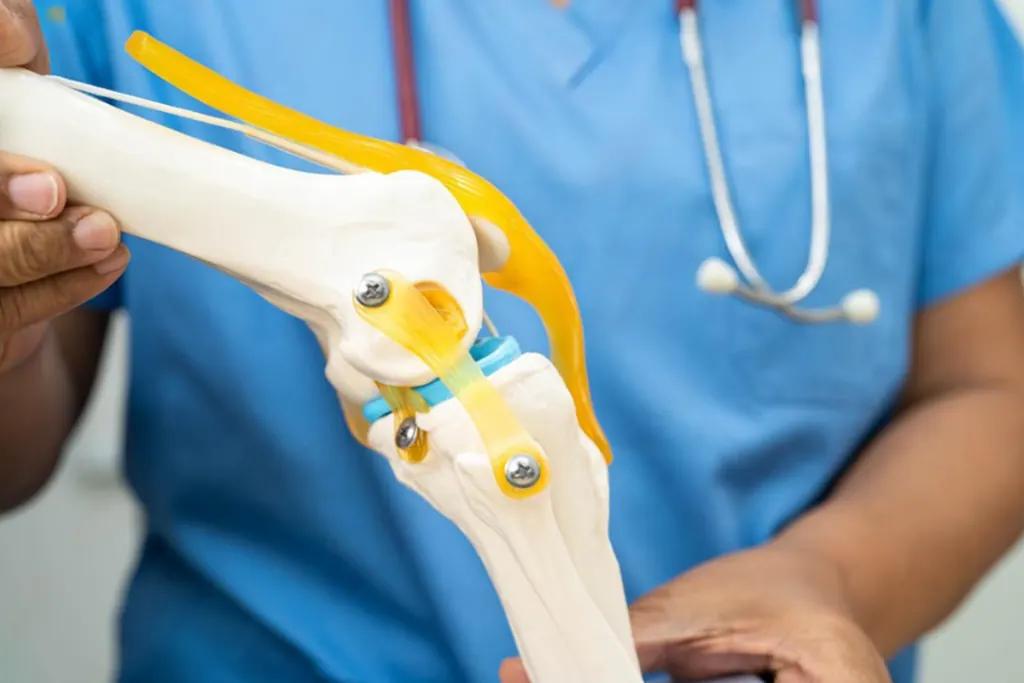
Revision Joint Replacement Surgery is a specialized orthopedic procedure performed when a previously replaced joint — such as the knee or hip — fails or develops complications. Unlike the initial (primary) replacement, a revision surgery is more complex because it involves removing the old implant, addressing bone loss or damage, and placing a new prosthesis for better function and stability.
Restores joint stability and mobility
Relieves chronic pain caused by implant failure
Corrects deformities or alignment issues
Improves overall quality of life
Extends the functional lifespan of the joint

Robotic Total Knee Replacement (TKR) is an advanced surgical technique used to treat severe knee arthritis, deformity, or damage when non-surgical treatments no longer provide relief. It combines the precision of robotic-assisted technology with the expertise of an orthopedic surgeon to ensure accurate implant placement, better alignment, and improved overall outcomes compared to conventional knee replacement surgery.
Higher Accuracy – Ensures optimal alignment and positioning of the implant.
Personalized Planning – Customizes the procedure based on the patient’s knee anatomy.
Less Tissue Damage – Minimally invasive technique leads to reduced soft tissue trauma.
Faster Recovery – Patients often regain mobility quicker compared to traditional TKR.
Better Joint Function – More natural movement and improved long-term outcomes.
Reduced Post-Operative Pain – Smaller incisions and precise techniques minimize discomfort.